Good Error Messages Save Time
Developers often face errors and will read error messages. So, a bad error message will use a lot of time. If there is no good information, people have to start guessing.
Bad error examples: - Do not a process with only an error code. Please explain the error in the error standard out. - "File not found error." End. What file! WHAT file was not found - etc
However, a good example is Babashka HTTP client.
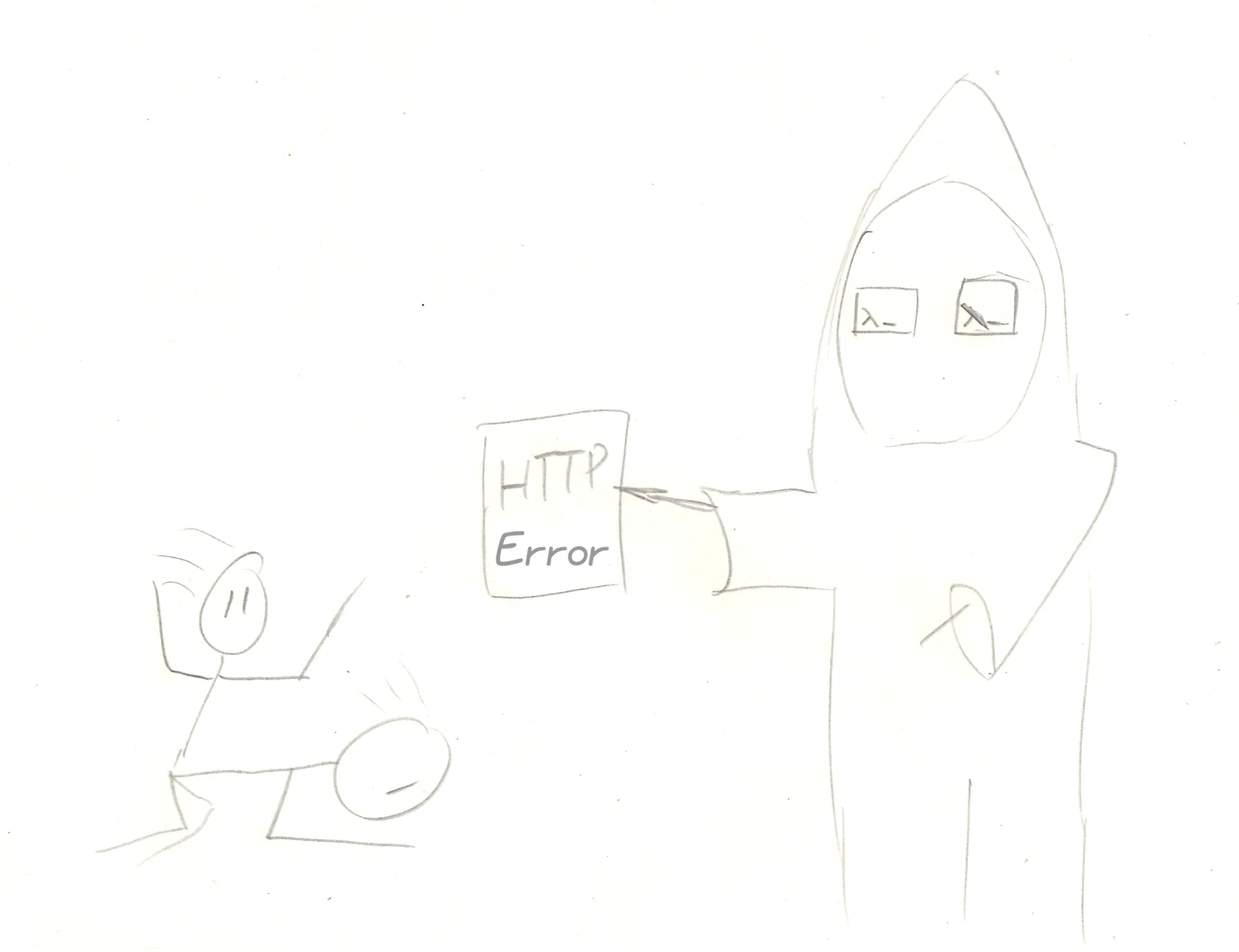
In the REPL:
(http/post "http://gamlor.info/nowhere"
           {:headers {"Authorization" "Bearer open-sesame"}})
=> Execution error (ExceptionInfo) at babashka.http-client.interceptors/fn (interceptors.clj:251).
Exceptional status code: 404
Not much, but you can ask for the full error information in the REPL:
In the REPL:
*e
=>
#error
{:cause "Exceptional status code: 404",   ; Error Message
 :data {:status 404,                      ; HTTP response code
                                          ; HTTP response body
        :body "<!DOCTYPE HTML PUBLIC \"-//IETF//DTD HTML 2.0//EN\">
               <html><head>
               <title>404 Not Found</title>
               </head><body>
               <h1>Not Found</h1>
               <p>The requested URL was not found on this server.</p>
               <p>Additionally, a 404 Not Found
               error was encountered while trying to use an ErrorDocument to handle the request.</p>
               </body></html>
               ",
        :version :http2,                 ; What HTTP version
        :headers {":status" "404",       ; HTTP response headers
                  "content-length" "315",
                  "content-type" "text/html; charset=iso-8859-1",
                  "date" "Mon, 20 Apr 2026 19:24:09 GMT",
                  "server" "Apache"},
                                         ; URI used. HTTP redirect might change URIs.
        :uri #object [java.net.URI 0x5a3fadf4 "https://gamlor.info/nowhere"],
        :request {:headers {:accept "*/*",  ; HTTP request headers
                            :accept-encoding ["gzip" "deflate"],
                            :user-agent "babashka.http-client/0.4.23",
                            "Authorization" "Bearer open sesame"},
                                            ; URI the request started with. HTTP redirect might change URIs.
                  :uri #object [java.net.URI 0x5a3fadf4 "http://gamlor.info/nowhere"],
                  :method :get}},           ; HTTP verb
 :via [{:type clojure.lang.ExceptionInfo,   ; Nexted exceptions info. Not relevant in this example
        :message "Exceptional status code: 404",
        :data {:status 404,
               :body "<!DOCTYPE HTML PUBLIC \"-//IETF//DTD HTML 2.0//EN\">
                      <html><head>
                      <title>404 Not Found</title>
                      </head><body>
                      <h1>Not Found</h1>
                      <p>The requested URL was not found on this server.</p>
                      <p>Additionally, a 404 Not Found
                      error was encountered while trying to use an ErrorDocument to handle the request.</p>
                      </body></html>
                      ",
               :version :http2,
               :headers {":status" "404",
                         "content-length" "315",
                         "content-type" "text/html; charset=iso-8859-1",
                         "date" "Mon, 20 Apr 2026 19:24:09 GMT",
                         "server" "Apache"},
               :uri #object [java.net.URI 0x5a3fadf4 "https://gamlor.info/nowhere"],
               :request {:headers {:accept "*/*",
                                   :accept-encoding ["gzip" "deflate"],
                                   :user-agent "babashka.http-client/0.4.23",
                                   "Authorization" "Bearer open sesame"},
                         :uri #object [java.net.URI 0x5a3fadf4 "https://gamlor.info/nowhere"],
                         :method :get}},
                                            ; The stack trace itself
        :at [babashka.http_client.interceptors$fn__11817 invokeStatic "interceptors.clj" 251]}],
 :trace [[babashka.http_client.interceptors$fn__11817 invokeStatic "interceptors.clj" 251]
         [babashka.http_client.interceptors$fn__11817 invoke "interceptors.clj" 246]
         [babashka.http_client.internal$then invokeStatic "internal.clj" 296]
         [babashka.http_client.internal$then invoke "internal.clj" 290]
         [babashka.http_client.internal$request$fn__11936 invoke "internal.clj" 329]
         [clojure.lang.PersistentList reduce "PersistentList.java" 146]
         [clojure.core$reduce invokeStatic "core.clj" 6964]
         [clojure.core$reduce invoke "core.clj" 6947]
         [babashka.http_client.internal$request invokeStatic "internal.clj" 327]
         [babashka.http_client.internal$request invoke "internal.clj" 303]
         [babashka.http_client$request invokeStatic "http_client.clj" 125]
         [babashka.http_client$request invoke "http_client.clj" 100]
         [babashka.http_client$get invokeStatic "http_client.clj" 132]
         [babashka.http_client$get invoke "http_client.clj" 127]
         [user$eval15344 invokeStatic "form-init8076736335536322939.clj" 1]
         [user$eval15344 invoke "form-init8076736335536322939.clj" 1]
         ...
This error is a developers dream. All information is here: 이 오류는 개발자의 꿈 이예요.정보가 다 있어요:
Maybe there is an error in body or headers of the HTTP response? That info is here.
Maybe a wrong header was sent? That info is here.
Maybe the redirects changed the URI in an unexpected way? That info is here.
Where this error come from? That info is here.
So, next time we write an error, remember the Babashka HTTP client and add enough error information